Navigating Creative Chaos: Risk Management Strategies for Artists Launching Startups
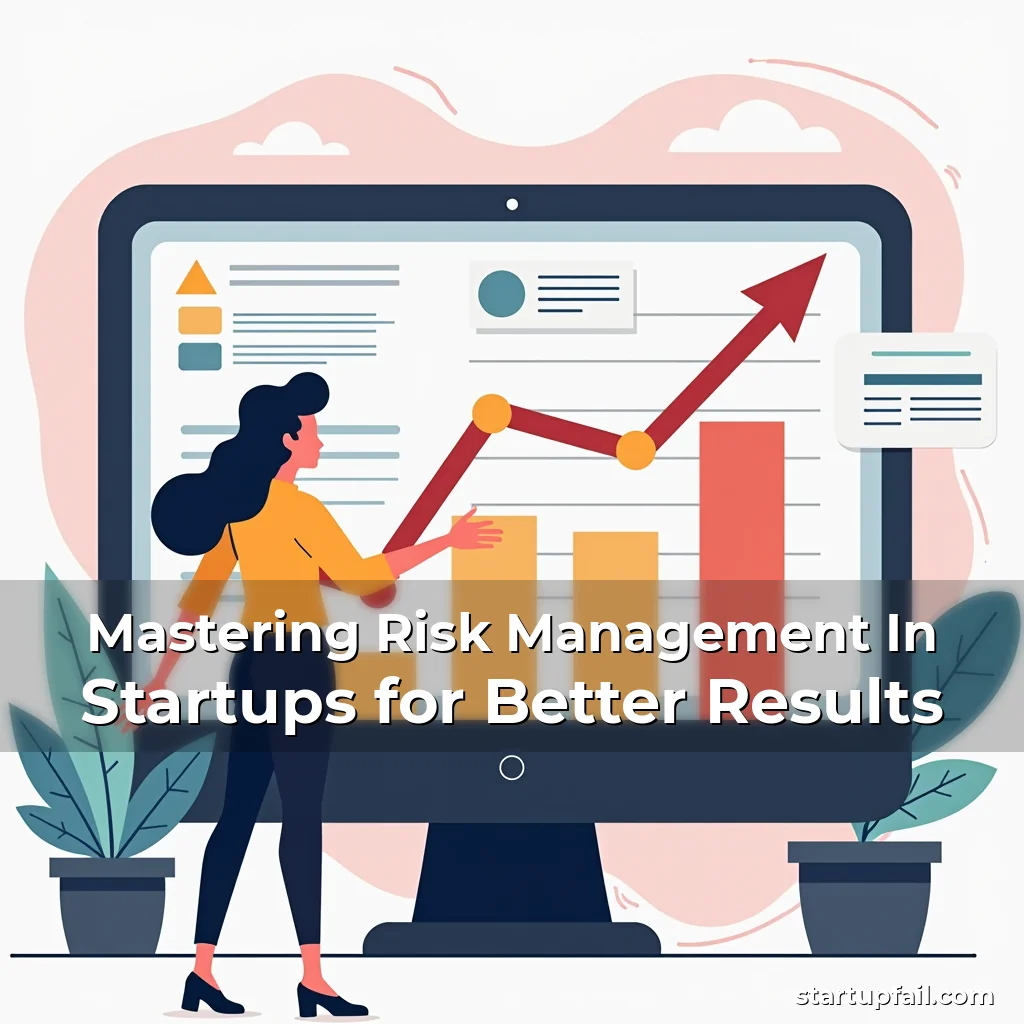
In today’s fast-paced digital world, artists and creative professionals face a unique challenge when launching startups: balancing innovation with sustainability. Unlike traditional businesses, creative ventures often rely on unpredictable markets, fluctuating income streams, and subjective value judgments. Understanding and mitigating risks becomes crucial—not just for survival, but for long-term success.
Risk management isn’t about eliminating uncertainty; it’s about preparing for it. For artists entering the entrepreneurial space, this means identifying potential pitfalls early, building resilience, and fostering adaptability. Whether you’re selling art online, running a design agency, or developing a creative app, strategic foresight can turn chaos into opportunity.
Understanding the Unique Risks Faced by Creative Entrepreneurs
Creative professionals operate in a landscape defined by ambiguity. Revenue depends heavily on trends, client preferences, and cultural shifts—all of which change rapidly. A viral project could lead to sudden fame, while a misaligned brand strategy might render months of effort obsolete. This volatility requires a mindset shift toward agility and preparedness.
The most common risks include financial instability, intellectual property theft, burnout, and market saturation. Many artists underestimate the pressure of consistent income generation, especially when transitioning from freelancing to full-time entrepreneurship. Additionally, the emotional investment in creative projects can blur professional boundaries, leading to overcommitment or undervaluing time and energy.
Example: An independent animator might spend weeks perfecting a short film, only to find it overlooked in a crowded streaming platform. Without a backup plan, such setbacks can derail momentum and morale.
To mitigate these challenges, artists must recognize that creativity alone isn’t enough—they need systems in place to manage the business side of things. This includes tracking expenses, forecasting cash flow, and setting realistic goals aligned with both passion and practicality.
Building a Resilient Business Model
A resilient business model acts as your safety net during uncertain times. It ensures that even if one stream of income falters, others remain steady. For creatives, this might mean diversifying revenue sources beyond direct sales—such as offering workshops, licensing assets, or leveraging affiliate marketing.
Diversification doesn’t mean abandoning your core craft. Instead, it involves layering additional opportunities that align with your skills and audience. For instance, a musician could monetize fan support through Patreon while also teaching music production courses or collaborating with brands for sponsored content.
- Leverage Subscription Models:** Platforms like Substack or Memberful allow artists to
- Bundling Services:** Offer packages combining your primary product with added value—e.g., a portfolio website + branding consultation for photographers.
By designing a flexible framework, you reduce dependency on single outcomes and increase stability. Regularly reviewing and adjusting your model based on feedback and performance data keeps you ahead of emerging threats.
Financial Safeguards Every Artist Should Know About
Finding financial clarity is essential for sustainable growth. Many artists neglect basic accounting practices, leaving themselves vulnerable to cash flow gaps or unexpected costs. Implementing simple yet effective money-management habits can prevent crises before they arise.
Preparing for Exit Strategies and Long-Term Vision
Even the best-laid plans must account for eventual transitions—whether scaling up, selling the company, or retiring after years of dedication. Defining exit strategies early ensures smooth handovers and preserves legacy, whether you’re passing the torch to another creator or exiting gracefully into retirement.
If considering acquisition or partnership, document everything clearly. Establish valuation benchmarks, review equity structures, and consult advisors experienced in creative industries. Transparency minimizes conflicts and maximizes returns.
Long-Term Goals: Reflect regularly on what success looks like for you personally. Do you want to build a legacy brand? Retire young? Influence future generations of artists? Aligning daily choices with overarching ambitions reduces aimlessness and enhances fulfillment.
Regularly revisit your mission statement and vision board to ensure alignment with current efforts. Flexibility remains key—even grand visions benefit from periodic reassessment and refinement.
Conclusion
Risk management is not a luxury—it’s a necessity for creative entrepreneurs aiming to thrive in unpredictable terrain. From financial security to legal protection, from community support to psychological resilience, each component contributes to a robust foundation for sustained growth.
Take one action today: audit your current practices, identify vulnerabilities, and commit to improvement. Whether it’s updating contracts, revisiting budgets, or connecting with peers, incremental changes compound into lasting success. Remember, embracing risk intelligently turns potential downsides into opportunities for reinvention and breakthroughs.