
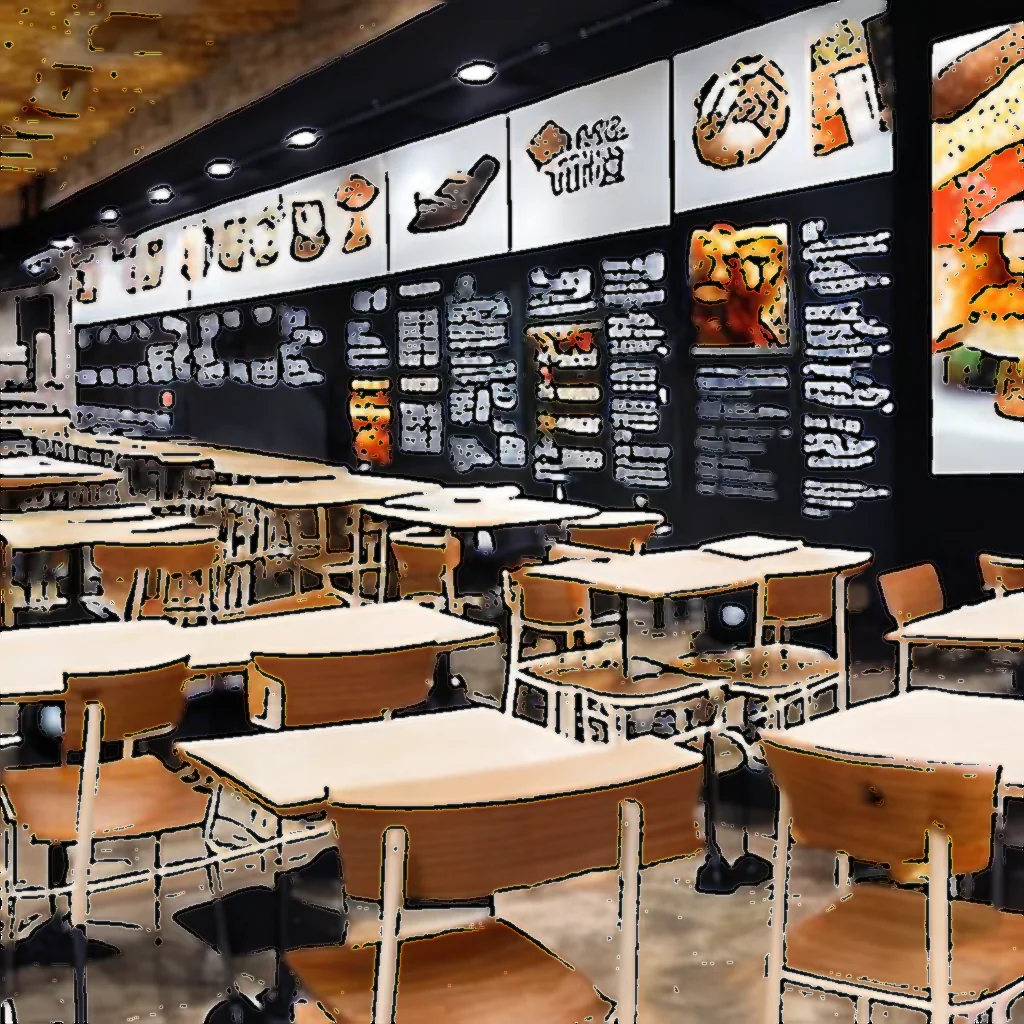
Editor’s Note: This is a part of YourTango’s Opinion section where individual authors can provide varying perspectives for wide-ranging political, social, and personal commentary on issues. A few weeks ago, we made the mistake of going to a fast-casual restaurant known for its “wild wings” and sports gear. Now, I’ll be the first to say that I was a massive, massive fan of Buffalo Wild Wings back in the day. I was stoked. I was ready to buy my favorite sauce: Caribbean jerk. Yum. Advertisement We sat down, ordered our food, and then it arrived. It looked starkly different from how I remembered my last visit. The boneless wings were small, sad little lumps with sauce poured over them.
A. A Culinary Disaster
B. A Night of Disappointment
C.
They were dry and tough, and the flavor was bland. I was disappointed. The restaurant was bustling with activity, but the service was slow. We waited for our food for a long time, and when it finally arrived, it was not what we had ordered. We had to wait even longer for the corrected order. The restaurant was also noisy. The music was loud, and the chatter of the patrons was overwhelming.
But fast-casual restaurants, which are supposed to offer a healthier and more affordable option, have also been caught in the price hikes and menu changes. The author’s experience at a fast-casual restaurant is a reflection of a broader trend. This trend is not limited to a single restaurant chain but is a widespread phenomenon affecting many fast-casual restaurants across the country.
You might have noticed that the experience wasn’t quite what it used to be. The food quality has declined, service has become slower, and the atmosphere has become less inviting. This is a trend that is affecting the entire industry, not just a few specific chains. The reasons for this decline are multifaceted and complex.
This was a departure from the traditional fast food experience, which was often associated with greasy burgers and fries. The company’s early success was largely attributed to its focus on value and convenience. McDonald’s offered affordable prices and quick service, making it a popular choice for busy families and individuals.
This is a common complaint among fast casual enthusiasts. They feel that the prices have become so high that they are no longer affordable. This is a problem because fast casual restaurants are trying to attract a wider audience, and they need to be accessible to everyone.
* **Short-term gains:** Investors expect immediate returns on their investment. This pressure forces companies to focus on quick fixes and short-term solutions, often neglecting the long-term impact of their decisions.
* High-end distributors are notoriously difficult to work with. * Scaling food portions up without increasing prices is a challenge. * Commercial property rents are skyrocketing. **Detailed Text:**
The world of food distribution is a complex and competitive landscape, and high-end distributors, often catering to discerning clientele, are notoriously difficult to work with.
A study conducted by New York-based brand and customer loyalty and engagement consultancy Brand Keys reported a 20% decrease in visits to fast food chains from millennials, with 13% indicating that they felt fast food was, indeed, “edible” but not much more than that. Oliver Sjöström | Pexels Advertisement Fees, fees, fees Did you ever look up how much it takes to open up a fast-casual restaurant? I did. Here’s the scorecard for a handful of them: A Buffalo Wild Wings franchise will cost between $2.5 to $4.5 million to start. That’s according to the BWW site. A TGI Friday’s costs between $2.7 million to $4.5 million to open. That’s per a franchising sales site.
Chipotle Mexican Grill, Inc. is a popular fast-food chain specializing in Mexican-inspired cuisine. The company’s initial investment for opening a new restaurant is estimated to be between $1.2 million and $2.8 million.
**Franchisees Face a Dilemma: Limited Resources vs.
This is a significant challenge for franchisees, especially those who are just starting out. They often lack the financial resources to invest in national advertising and marketing campaigns. This can lead to a lack of brand awareness and ultimately, a decline in sales. The high cost of national advertising and marketing can also create a competitive disadvantage for franchisees.
McDonald’s has consistently made moves that push their core demographic away at a time when they should be thriving — especially in America. People loved McDonald’s because it was cheap and you still had some kind of human interaction there. Advertisement Today? We have a bunch of screens to take orders, the price of a combo meal is roughly the same as a sit-down restaurant, and the food lacks. There used to be PlayPlaces. Those were scrapped, giving parents little incentive to bring their kids there. The people who were wailing about McDonald’s being unhealthy were never McDonald’s core demographic. They were already eating salads at Chopt. And yet, McDonald’s made menu changes to be more “healthy.” Why? Because they were afraid of losing people who rarely went there in the first place.
#fypシ #chipotle #chipotlelidflip #chipotlehacks #burrito #foodhacks ♬ original sound – Group Chat Podcast @groupchatnews Chipotle Quality is going Down😱 And Complaints are going Up🤦♂️ Have you noticed a difference is Quality and Pricing?From Wall Street Journal, “Chipotle Mexican Grill CMG 0.98%increase; green up pointing triangle has increased prices six times since 2021. It was among the first restaurant companies to say it would boost its menu prices on delivery apps. And its prices are set to rise further in California, where roughly 400 locations are paying higher hourly wages in response to a new state law.Higher costs and inflation-weary consumers are starting to erode sales across much of the U.S. restaurant industry. Traffic last year, while 1% higher than in 2022, remained 8% below prepandemic levels, according to market research firm Circana.” #fyp
The rise of the “casual fast food” era was a response to the growing dissatisfaction with traditional fast food chains. These chains were often criticized for their unhealthy food, lack of customization, and impersonal service. Casual fast food restaurants offered a more appealing alternative, with healthier options, customizable menus, and a more friendly atmosphere. However, this era of “casual fast food” has been challenged by the rise of “fast casual” restaurants.
Ossiana Tepfenhart is a writer whose work has been featured in Yahoo, BRIDES, Your Daily Dish, Newtheory Magazine, and others.