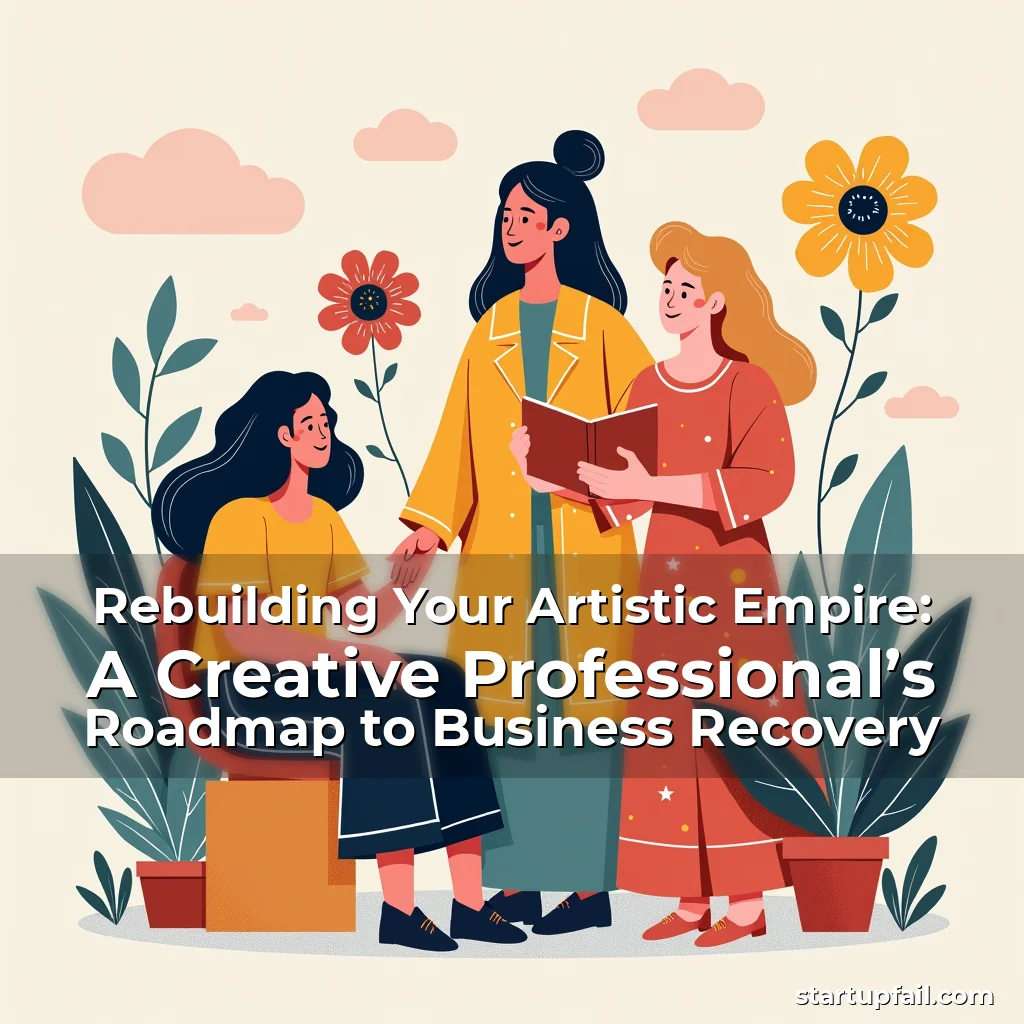
Rebuilding Your Artistic Empire: A Creative Professional’s Roadmap to Business Recovery
In today’s fast-paced world, even the most passionate artists and creative entrepreneurs can find themselves facing unexpected setbacks that threaten their livelihoods. Whether it’s a failed crowdfunding campaign, declining sales, or burnout from unsustainable practices, business recovery is not just possible—it’s essential.
The journey from crisis to comeback requires both emotional resilience and strategic planning. By understanding the root causes of failure, reassessing your approach, and leveraging available resources, you can transform your artistic vision into a thriving sustainable enterprise once again.
Understanding the Roots of Failure
Creative professionals often fall victim to common misconceptions that lead to business collapse. One prevalent issue is the assumption that talent alone guarantees success. Many artists underestimate the importance of consistent branding, effective self-promotion, and diversified income streams.
Mismanagement of time and energy is another critical factor. When creators prioritize production over business fundamentals, they risk losing control of their career trajectory. This imbalance can result in missed opportunities and dwindling audiences.
Financial missteps frequently contribute to downfall as well. Underpricing artwork, neglecting tax obligations, or failing to establish emergency funds can leave creative ventures vulnerable during economic downturns or personal crises.
- Lack of market research: Not understanding what audiences truly value leads to mismatched offerings
- Overcommitment: Taking on too many projects simultaneously results in diluted quality and burnout
- Poor digital presence: Inconsistent social media engagement and outdated websites alienate potential clients
Assessing the Damage
Before embarking on recovery, it’s crucial to conduct a thorough evaluation of your current situation. Begin by auditing your financial records to identify patterns and areas needing improvement. This includes tracking income sources, expenses, and outstanding debts.
Simultaneously assess your professional relationships and network strength. Are your connections still supportive? Do you have mentors who understand the creative industry? Evaluating these aspects helps determine how much external assistance you may need during reconstruction.
Evaluating Reputation and Trustworthiness
Your public perception plays a vital role in business recovery. Conduct an honest assessment of client reviews, social media sentiment, and past project outcomes. If negative perceptions exist, consider implementing corrective measures before proceeding further.
This process might reveal gaps in communication or unmet expectations that require addressing. Transparently acknowledging shortcomings while outlining improvements builds credibility and trust with future collaborators.
Rebuilding Financial Health
Establishing solid financial foundations is paramount for successful recovery. Start by creating a realistic budget that accounts for living expenses, creative production costs, and necessary investments in tools or education.
Consider consulting with a financial advisor specializing in creative industries. They can help develop strategies for managing cash flow, reducing unnecessary expenditures, and identifying tax deductions unique to artistic professions.
- Create an emergency fund: Aim for three to six months’ worth of expenses stored securely
- Diversify income sources: Explore teaching workshops, licensing artwork, or offering exclusive memberships
- Negotiate payment terms: Work with clients to set reasonable timelines and milestones for compensation
Rebranding and Personal Development
A fresh perspective is often needed when restarting after failure. Consider whether your existing brand identity accurately reflects your current goals and values. Sometimes a strategic rebranding can reignite interest and attract new audiences.
Invest time in developing both technical skills and soft skills. Online courses, mentorship programs, and industry conferences provide excellent platforms for learning new techniques and networking with peers.
Personal development shouldn’t stop at skill acquisition. Cultivating mindfulness practices, setting clear boundaries, and practicing self-care ensures sustained creativity and productivity throughout the recovery phase.
Leveraging Community and Networks
Surround yourself with individuals who uplift rather than undermine your ambitions. Join artist collectives, attend gallery openings, and participate in online communities dedicated to creative entrepreneurship.
Collaborations with fellow creatives open doors to new opportunities. Partnering on joint projects, co-hosting events, or cross-promoting work creates mutually beneficial relationships that strengthen everyone’s visibility within the industry.
Embracing Innovation and Adaptation
The creative landscape evolves rapidly, requiring constant innovation to stay competitive. Experiment with emerging mediums, explore hybrid art forms, and remain open to unconventional distribution methods.
Adaptability means recognizing when traditional approaches aren’t working and having the courage to pivot strategically. This might involve shifting focus toward digital art markets, virtual exhibitions, or interactive installations that engage modern audiences differently.
Stay informed about technological advancements impacting your field. From AI-assisted design tools to blockchain-based authentication systems, embracing technology can give your practice a significant edge over competitors.
Conclusion
Business recovery for creative professionals isn’t about returning to previous successes—it’s about evolving into a stronger version of yourself professionally and personally.
By applying the principles outlined in this roadmap, you position yourself not just for survival but for transformational growth. Remember, every setback contains lessons that can shape a more resilient and innovative artistic future.