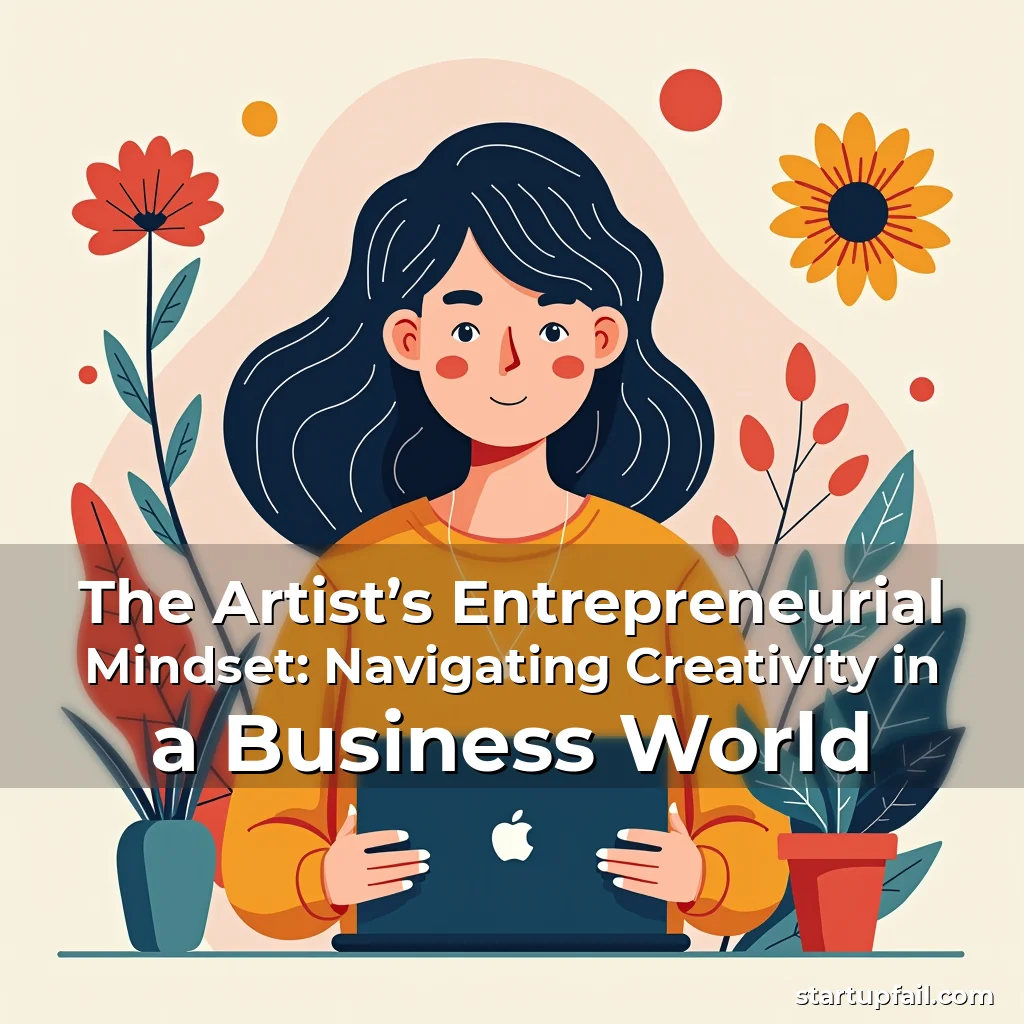
The Artist’s Entrepreneurial Mindset: Navigating Creativity in a Business World
In an era where artistic expression thrives online but competition intensifies daily, creators face a paradox: how do you maintain your creative integrity while building sustainable income? The answer lies not in choosing between art and business, but in cultivating what I call the artist’s entrepreneurial mindset.
This approach doesn’t mean becoming a corporate ladder climber or abandoning your unique voice. Instead, it’s about developing strategic habits that let you create fearlessly without sacrificing financial stability. For visual artists, musicians, writers, and designers working from home studios or co-working spaces, this mindset becomes crucial when navigating grant applications, client contracts, and digital platform algorithms.
Framing Your Creative Practice as a Business Venture
When you think of entrepreneurship, you might picture tech startups or retail ventures. But creativity itself can be the foundation of a thriving enterprise. Consider the case of Yayoi Kusama, whose lifelong dedication to her surrealistic vision has translated into billion-dollar museum exhibitions and high-end fashion collaborations. Her story shows that passion-driven work can become financially rewarding through smart business decisions.
You don’t need to wait until you’re famous to start treating your creative practice professionally. Begin by defining clear goals – whether that’s selling paintings at local galleries, releasing music on streaming platforms, or offering design services to small businesses. These objectives form the framework upon which you’ll build your creative career.
- Create a business plan: Document your creative process, target markets, revenue streams, and growth strategies in a structured format. This isn’t about stifling inspiration; it’s about creating clarity so you can make intentional choices.
- Track your time and expenses: Use accounting software or spreadsheets to monitor hours spent on different projects and track costs associated with materials, marketing, and professional development.
Many creatives struggle with self-doubt when they try to apply traditional business models to their work. You may feel that setting prices or negotiating contracts compromises authenticity. However, these are necessary steps for anyone seeking long-term sustainability in their craft. As musician Amanda Palmer demonstrated during her crowdfunding campaign, transparent communication about finances actually deepens connections with audiences who support creative endeavors.
Bridging the Gap Between Artistic Vision and Market Demands
The challenge for creative entrepreneurs is maintaining originality while meeting market expectations. This balance requires understanding both your personal aesthetic and industry trends without losing sight of your core values. When designing graphic assets for clients, a web designer must consider brand guidelines alongside their own signature style.
To achieve this harmony, start by identifying patterns in successful creative businesses within your field. Study how other artists have positioned themselves successfully without compromising their artistic identity. A painter specializing in abstract landscapes might analyze how contemporaries like Georgia O’Keeffe maintained commercial success while staying true to their distinctive style.
Understanding Audience Preferences Through Data Analysis
Data analytics tools now provide unprecedented insight into consumer behavior across various creative industries. Social media metrics reveal which types of artwork receive the most engagement, while survey responses help identify preferences among potential buyers. Visual artists using Instagram Insights can see exactly which posts drive sales or website traffic.
For example, a jewelry maker experimenting with new designs could use Google Analytics to compare conversion rates between different product pages. By analyzing click-through rates and bounce rates, they gain objective information about what resonates visually and emotionally with their audience. This data-informed approach allows for experimentation without wasting resources on unproven ideas.
Cultivating Resilience Through Iterative Learning
No matter how well-planned your creative venture is, setbacks will inevitably occur. Rejection from gallery submissions, unexpected technical difficulties with production equipment, or fluctuating demand for certain styles are all common challenges faced by creative entrepreneurs. What separates those who succeed from those who give up is the ability to learn from each experience.
Develop a system for evaluating failures objectively rather than taking them personally. After receiving negative feedback on a commissioned project, ask yourself: Was there a specific skill gap that needs improvement? Could better communication have prevented misunderstandings? Did external factors beyond my control play a role?
- Maintain a learning journal: Record every failure along with what was learned from it. This helps identify recurring issues and measure progress over time.
- Set aside dedicated reflection periods: Schedule regular times to review past projects critically, noting areas for improvement and celebrating achievements regardless of scale.
Resilience also involves knowing when to pivot strategically. If a particular genre of photography isn’t generating enough interest despite your best efforts, explore complementary niches instead of forcing the same approach. Sometimes adapting creatively yields better results than persisting with outdated methods.
Building Strategic Relationships Without Losing Authenticity
A strong network is essential for any entrepreneur, including artists. However, many creatives worry that forming business relationships will compromise their individuality. The key is to cultivate authentic connections that align with your values and artistic mission.
Attend events specifically tailored to your field, such as gallery openings for painters or design conferences for illustrators. Engage thoughtfully with fellow creatives by asking meaningful questions about their processes rather than focusing solely on transactional exchanges. These interactions often lead to collaborative opportunities that enhance both parties’ creative output.
- Identify mentors who understand your discipline: Look for established professionals who’ve navigated similar challenges. Their guidance can provide invaluable perspective without dictating your creative direction.
- Collaborate selectively: Choose partnerships based on shared values rather than immediate profit potential. Meaningful collaborations often result in higher quality work that reflects both participants’ strengths.
Your network shouldn’t just consist of peers and potential collaborators. Include supporters who genuinely appreciate your work – collectors, fans, and advocates who believe in your vision. These individuals become your first line of defense against burnout and doubt when facing challenging times.
Leveraging Technology for Creative Productivity
Digital tools offer powerful solutions for managing creative workflows efficiently. From project management apps to AI-assisted design software, technology enables artists to focus more on creation and less on administration tasks. A writer working on multiple manuscripts can use Trello boards to organize research phases and deadlines effectively.
Select tools that integrate seamlessly with your existing workflow rather than adopting everything at once. Experiment with free versions before committing to paid subscriptions. Many creative professionals find value in cloud storage solutions for easy access to files across devices, coupled with collaboration features for remote teamwork.
- Use automation wisely: Set up email templates for routine communications, schedule social media posts ahead of time, and automate invoicing procedures to save time on administrative duties.
- Invest in specialized hardware: High-quality scanners, graphics tablets, or audio recording equipment can significantly impact the final output of creative works. Research options that fit your budget and workflow requirements.
While embracing technology brings benefits, remember that it shouldn’t replace human connection entirely. Maintain genuine relationships by scheduling video calls with clients and colleagues rather than relying solely on chat functions. Balance efficiency gains with the emotional intelligence that makes creative work meaningful.
Creating Multiple Revenue Streams While Maintaining Quality
Sustainable creative careers require diverse income sources rather than relying on a single stream. Freelance illustration gigs, print-on-demand products, teaching workshops, and affiliate marketing programs all contribute to financial stability without diluting artistic standards. Photographers might sell stock images, offer photo editing courses, and run sponsored content campaigns simultaneously.
Experiment cautiously with different monetization approaches. Test low-risk options For instance, a poet could begin by publishing chapbooks through independent publishers while exploring podcast sponsorships and writing commissions separately.
- Offer tiered pricing models: Provide basic packages with additional premium upgrades that reflect extra effort or exclusivity. This caters to different budgets while still valuing your expertise appropriately.
- Explore passive income avenues: Develop downloadable digital products like e-books, printable art prints, or online course modules that continue generating revenue after initial creation costs.
Variety keeps creative pursuits exciting and prevents burnout from repetitive tasks. Rotate primary income sources seasonally or when new opportunities arise. Always ensure that whatever monetization strategy you choose maintains the integrity of your artistic vision and satisfies your personal standards.
Protecting Intellectual Property in the Digital Age
In today’s interconnected world, safeguarding your creative work from unauthorized use is more critical than ever. Understanding copyright laws, trademark protections, and licensing agreements forms part of every creative entrepreneur’s toolkit. Musicians distributing tracks online must be aware of sampling rights and sync license requirements.
Taking proactive measures ensures your intellectual property remains protected without hindering creative sharing. Register copyrights promptly after completing significant works. Use watermarks on digital downloads and include disclaimers about reproduction rights on physical copies.
- Utilize digital fingerprinting technologies: Services like Adobe Content Credentials allow artists to embed invisible markers in digital files that verify authorship automatically.
- Create clear usage policies: Define boundaries for how others may reference or incorporate your work into theirs. This protects your reputation while allowing legitimate appreciation of your contributions.
Stay informed about emerging threats to IP protection, especially in rapidly evolving fields like virtual reality and blockchain-based art ownership systems. Consult legal experts periodically to update your knowledge base and adjust protection strategies accordingly.
Embracing Continuous Growth Through Education and Mentorship
Creative excellence demands ongoing education even for seasoned professionals. Attending masterclasses, participating in online forums, and reading industry publications keep you current with technological advancements and shifting market dynamics. An animator might take courses on motion capture techniques or study character design principles developed by leading studios.
Formal education provides structure, but informal learning through peer networks offers equally valuable insights. Join critique groups where constructive feedback fosters improvement. Seek out experienced mentors willing to share practical advice gained from years in the industry.
- Pursue certifications relevant to your field: Industry-specific credentials validate your skills and open doors to higher-paying opportunities without requiring expensive formal degrees.
- Engage in cross-disciplinary studies: Exploring subjects outside your primary area of expertise can inspire innovative approaches to problem-solving within your creative practice.
Remember that education isn’t limited to academic settings. Travel experiences, cultural immersion, and life lessons all contribute to artistic growth. Keep an open mind toward learning from any source that enhances your creative capabilities.
Managing Time Effectively Without Burning Out
Time management is crucial for balancing creative work with business responsibilities. Establish routines that respect your natural energy cycles rather than following arbitrary schedules imposed by conventional offices. Morning sessions might yield peak productivity for some, while evenings suit others better depending on lifestyle preferences.
Implement the Pomodoro Technique by working in focused bursts followed by scheduled breaks. Use calendar blocking to dedicate specific time slots exclusively to creative tasks versus administrative duties. Avoid multitasking that reduces overall effectiveness by dividing attention between competing priorities.
- Batch similar tasks together: Group related activities like responding to emails, preparing invoices, or researching new markets into concentrated blocks of time.
- Delegate non-core activities: Hire freelancers for bookkeeping, transcription services, or virtual assistance to reclaim precious hours that would otherwise be consumed by mundane tasks.
Regularly assess your time allocation using tracking software to identify inefficiencies. Adjust schedules as needed to optimize performance while preserving mental health. Remember that rest days aren’t indulgences – they’re investments in sustained creative output and business acumen.
Measuring Success Beyond Traditional Metrics
Evaluating creative achievement shouldn’t rely solely on quantitative indicators like sales figures or follower counts. Qualitative assessments provide deeper insight into artistic progression and personal fulfillment. Reflect regularly on whether your recent works evoke intended emotions or fulfill previously set creative goals.
Consider alternative evaluation criteria that align with your values. Does your latest exhibition connect meaningfully with viewers? Has your portfolio grown more cohesive over time? Are you enjoying the creative process more than before? These intangible rewards are just as important as measurable outcomes.
- Keep a reflective journal: Document thoughts about completed projects, noting successes and areas needing refinement. This creates an evolving record of artistic development.
- Seek third-party perspectives: Ask trusted peers or mentors for honest feedback about your work. External viewpoints often highlight aspects you might overlook due to familiarity.
Balance ambition with mindfulness by recognizing milestones achieved along the journey. Celebrate small victories that demonstrate consistent progress rather than fixating only on grand accomplishments. True success in creative entrepreneurship emerges from continuous growth rather than fleeting triumphs.
Conclusion
The artist’s entrepreneurial mindset represents a vital bridge connecting creative passions with real-world viability. It empowers creators to pursue their visions confidently while establishing foundations for lasting success in competitive markets.
By integrating strategic thinking with unwavering commitment to artistic integrity, you position yourself uniquely within your field. Embrace this dual perspective as both an opportunity and responsibility – one that honors your creative gifts while ensuring they reach audiences who truly appreciate them.